
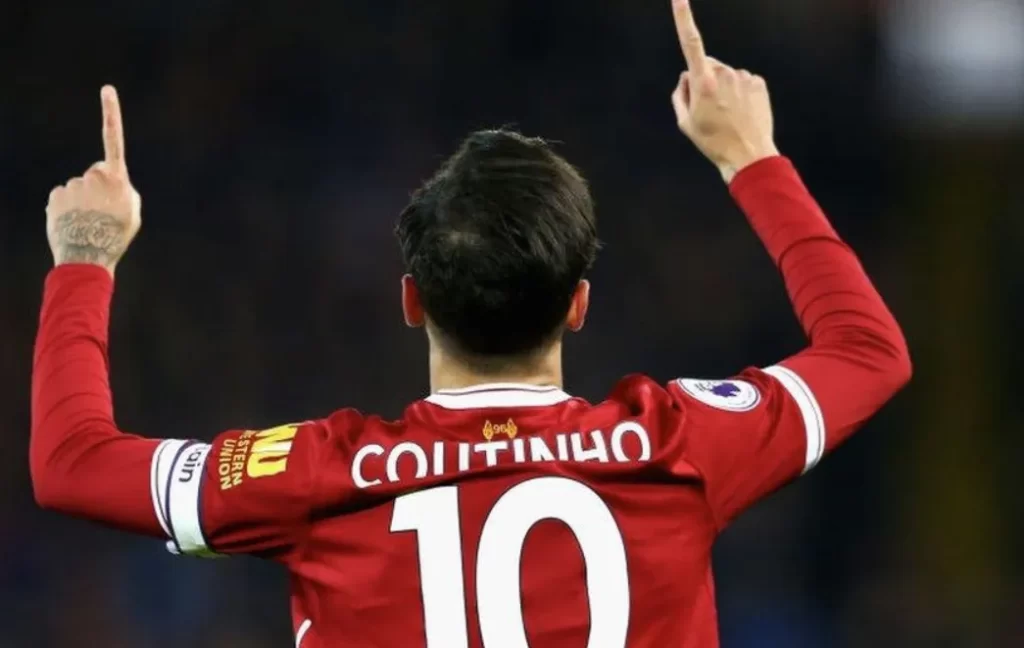
Few football transfers have sparked as much debate, heartbreak, and analysis as Philippe Coutinho’s move from Liverpool to Barcelona in January 2018. The Brazilian playmaker’s departure left a gaping hole in Jurgen Klopp’s midfield, yet the transfer fee of £142 million ultimately helped fund the signings that would turn Liverpool into European and Premier League champions. But years later, with Coutinho now plying his trade elsewhere and his best years seemingly behind him, the question on every fan’s mind remains: is Liverpool still missing him, or did they win the deal?
As we dive into this story, we see a fascinating case of how football’s modern economics and squad building changed forever. According to former Premier League scout and football analyst, Mark Thompson, “The Coutinho saga is a perfect example of a club cashing in at the perfect time to rebuild its future. Liverpool didn’t just sell a player; they sold a philosophy shift.”
The Rise of a Magician at Anfield
Before the saga began, Philippe Coutinho was the crown jewel of Liverpool’s creative midfield. Signed from Inter Milan for a modest £8.5 million in January 2013, the diminutive Brazilian quickly became a fan favorite. His ability to curl shots from outside the box, slip through a defense with a perfectly weighted pass, and link up with the front three made him indispensable.
In his final full season (2016-17), Coutinho scored 13 goals and provided 7 assists in the Premier League, a tally that made him one of the most sought-after players in Europe. “He was the heartbeat of that Liverpool team,” recalls former Liverpool midfielder Jamie Redknapp. “When his form dipped, the entire attack looked disjointed. He had that X-factor that could unlock any defense.”
However, the football world was changing. Barcelona, coming off the back of Neymar’s world-record move to PSG, had a massive war chest and desperately needed a replacement for their departed Brazilian star. For Coutinho, the allure of Camp Nou and playing alongside Lionel Messi was impossible to resist.
The January 2018 Move: A Reluctant Sale
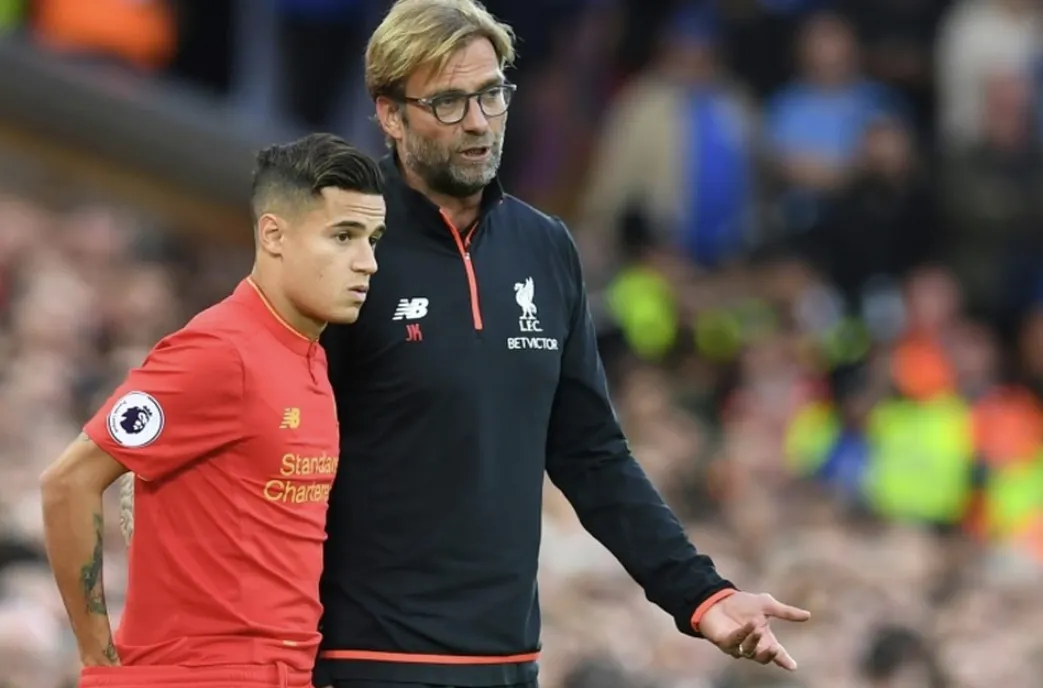
The winter transfer window of 2018 became a drawn-out saga. Coutinho submitted a transfer request, and after months of speculation and pressure, Liverpool finally agreed to sell. The deal was structured with an initial fee of £105 million, rising to £142 million with add-ons—a club record sale for Liverpool at the time.
“It was a decision that broke the hearts of many Liverpool fans,” says Krikya‘s lead sports commentator, David Morris. “They saw their magician leaving in the middle of a Champions League campaign, and there was a genuine fear that the team would fall apart without his creativity.”
The immediate aftermath was brutal. Liverpool lost their most creative outlet, and while the team remained in the Champions League, there was a sense of loss. But behind the scenes, Klopp and the recruitment team were already planning. The money from the Coutinho sale was immediately reinvested into the squad.
Reinvestment: The Seed of Greatness
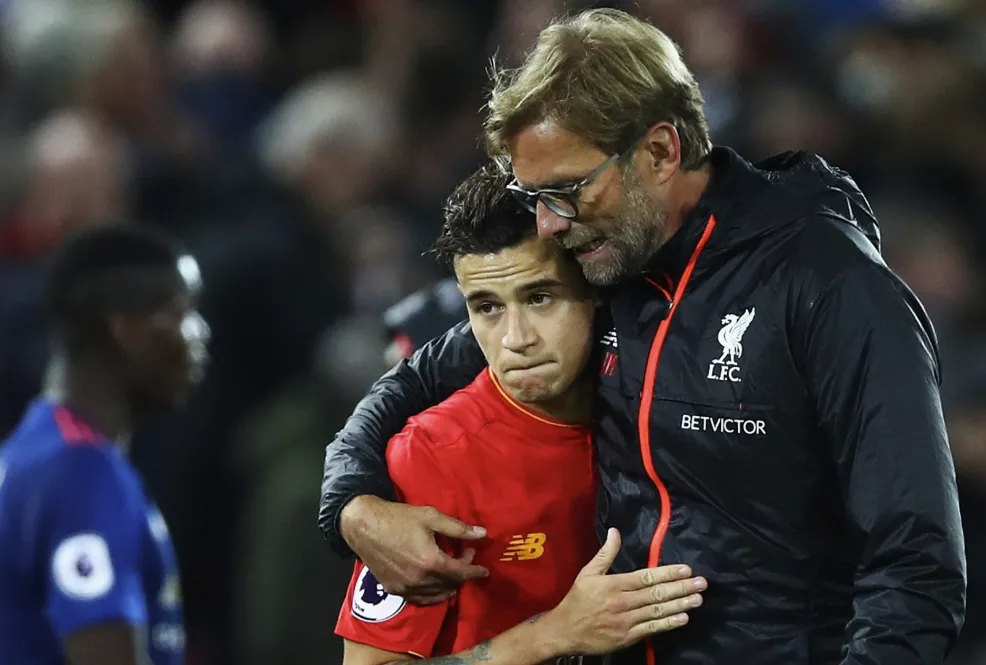
This is where the story takes a dramatic turn. Liverpool used the Coutinho funds to secure two key signings: Virgil van Dijk from Southampton for £75 million in January 2018 and Alisson Becker from Roma for £67 million in the summer of 2018. These two players, along with the already-established front three of Salah, Firmino, and Mané, became the foundation of a team that would conquer Europe and England.
“That Van Dijk and Alisson money came directly from the Coutinho sale,” notes Thompson. “Without those signings, Liverpool might never have won the Champions League in 2019 or the Premier League in 2020. It was a masterstroke of squad building.”
However, it wasn’t just about the defense. Klopp also restructured his midfield, moving away from the pure creativity of a number 10 to a more robust, energetic pressing system. Players like Georginio Wijnaldum, Jordan Henderson, and James Milner took on more responsibility, and the team’s style evolved into a relentless, high-pressing machine.
Coutinho’s Decline at Barcelona
Meanwhile, Coutinho’s time at Barcelona was a story of unfulfilled promise. Despite some early bright moments—including a fine first full season—the Brazilian struggled to find his best position. He was often deployed out of position on the left wing, where he lacked the pace of Neymar or the directness of other Barcelona wingers.
Injuries, a lack of confidence, and the immense pressure of being a club-record signing took their toll. After a loan spell at Bayern Munich (where he won the treble) and a return to Barcelona, he was eventually sold to Aston Villa in 2022. His form at Villa Park was inconsistent, and he has since moved on to Qatari club Al-Duhail.
“Coutinho‘s decline is a reminder that even the most talented players can get lost in the wrong system,” says Krikya analyst Maria Garcia. “He needed to be the main man, the focal point of creativity. At Barcelona, he was just another piece of a puzzle that didn’t fit.”
The Comparative Analysis: Is Liverpool Better Off?
So, if we look at the data and the trophies, the answer is clear. Liverpool won more after Coutinho left than before him. The team’s style became more cohesive, more resilient, and more defensively solid. The squad was deeper, and the spine of Van Dijk, Alisson, Henderson, and the front three was world-class.
| Metric | With Coutinho (2016-17) | Without Coutinho (2018-19) |
| Premier League Finish | 4th | 2nd (97 points) |
| Champions League | Runner-up | Winner |
| Goals Scored (PL) | 78 | 89 |
| Goals Conceded (PL) | 42 | 22 |
The table above tells a compelling story. Liverpool not only scored more but also conceded significantly fewer goals, a testament to the improved defensive structure and the impact of Van Dijk and Alisson.
The Emotional Void: Did Liverpool Ever Replace His Magic?
However, statistics don’t tell the whole story. The raw, unchoreographed magic of Coutinho was something different. He could create something from nothing—a 30-yard curler, a backheel pass, a nutmeg that left defenders embarrassed. For fans who loved the “beautiful game,” his departure left an emotional void that has never been fully filled.
Players like Thiago Alcântara brought a different kind of elegance, and Harvey Elliott has shown flashes of similar creativity, but the pure, flickering genius of “the little magician” hasn’t returned to Anfield.
“In some ways, Liverpool lost a part of their identity when Coutinho left,” says Morris. “They became more machine-like, more efficient. For many fans, the romance of that Coutinho-era football is something they still miss.”
What Does the Future Hold? Lessons from the Saga
Looking ahead, the Coutinho saga offers valuable lessons for modern football clubs. It shows that sometimes, selling your star player at the peak of their value can be the best long-term move, provided you have a plan and a manager capable of restructuring the team.
For Liverpool, the transfer window is always open. In recent seasons, they have brought in creative talents like Dominik Szoboszlai, a player who shares some of Coutinho’s flair, as well as other midfielders who can unlock defenses. The post-Klopp era under Arne Slot will be a test of whether the club can once again find that balance between efficiency and creativity.
Will Liverpool ever find another Philippe Coutinho? It’s a question that will linger for years. The answer likely lies not in finding an identical player, but in building a team that can reinvent itself while never losing that spark.
Conclusion: Philippe Coutinho’s Barcelona Transfer Saga: Is Liverpool Still Feeling the Ripple Effects?
In the end, the Coutinho saga is a story of sacrifice and reward. Liverpool lost a star, but they gained a dynasty. The club transformed its entire philosophy, won the biggest trophies, and established a blueprint for how to handle a star player’s departure.
While the emotional connection to Coutinho’s magic remains, the cold, hard reality is that Liverpool won the deal. The money was spent wisely, and the team became dominant. As the club moves forward, fans will always look back at that January window as a defining moment—a painful but necessary step toward greatness.
Do you think Liverpool made the right decision? Would you have kept Coutinho or sold him? Share your thoughts in the comments below and don’t forget to explore more insightful football analysis on Krikya. Your journey into the heart of the beautiful game starts here!
