
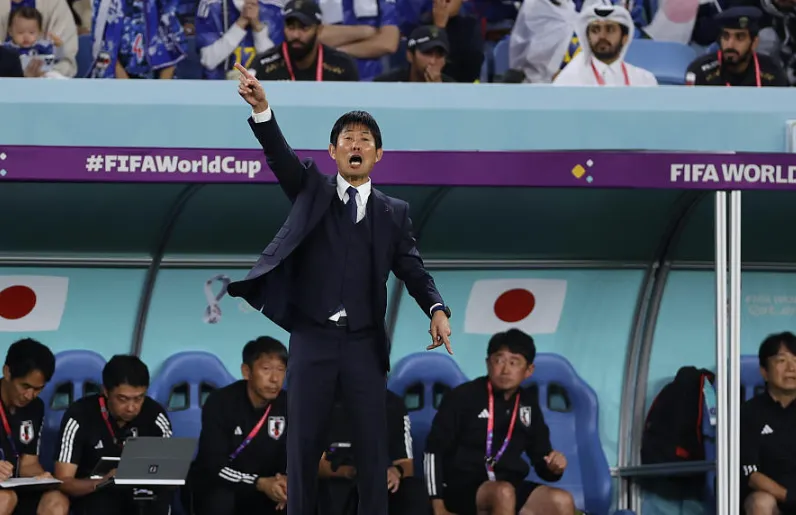
In a landscape where footballing giants are measured by their silverware and history, a new narrative is quietly being written in Asia. Japan, under the steady and ambitious guidance of manager Hajime Moriyasu, has set a target that once seemed like a distant fantasy: winning the FIFA World Cup. This isn’t just a fleeting ambition muttered in post-match conferences; it has become the official declaration of the Japan Football Association. But after a series of impressive performances on the global stage, including topping a group of death in Qatar 2022 and recent dominant displays in Asian qualifiers, a pressing question emerges for fans and analysts alike. Just how close are the Samurai Blue to making this audacious goal a reality? As we explore the tactical evolution, generational talent, and mental fortitude of this squad, we will see why many believe the dream is no longer a mirage but a destination on the horizon.
The Tactical Blueprint: From “Japão” to Global Contenders
Hajime Moriyasu’s project is not a sudden burst of brilliance; it is a meticulously planned evolution. The shift from a team that often relied on defensive resilience to one that proactively dictates play against elite opposition marks a significant leap forward.
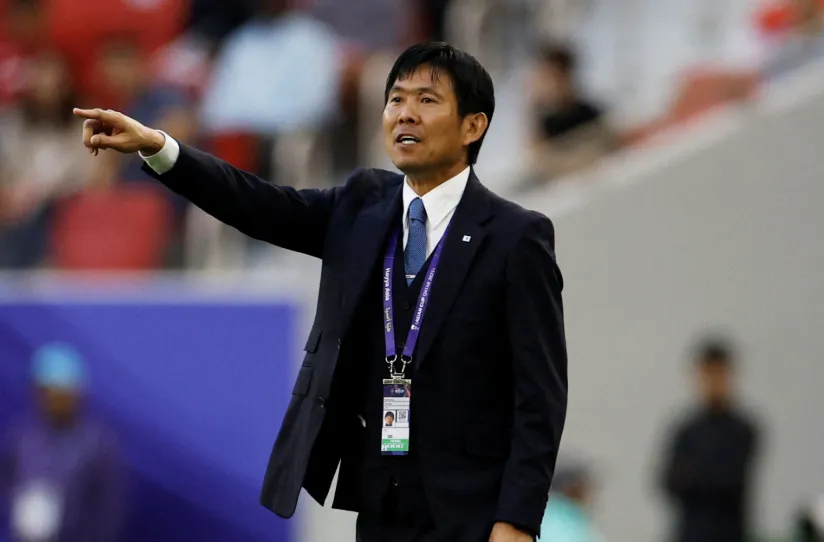
A High-Pressing Identity
Under Moriyasu, Japan has adopted a sophisticated brand of football that balances defensive solidity with rapid transition. The defining characteristic of this team is its relentless high press. Unlike previous generations that would sit back and absorb pressure against top-tier nations, this Japan team suffocates opponents in their own half.
- This tactical approach was on full display during the 2022 World Cup, where they secured historic victories against Germany and Spain. The team didn’t just win; they out-pressed and out-maneuvered these European powerhouses in critical phases of the game.
- The system relies heavily on the incredible engine of its midfield and the tactical intelligence of its defenders. It’s a high-risk, high-reward strategy, but when executed correctly, it allows Japan to compete on equal footing with the world’s best.
The Crucial Role of the “Hybrid” Defender
One of the most fascinating tactical developments under Moriyasu is the evolution of his defensive line. The modern Japan team often deploys a back four that functions almost as a hybrid.
- Center-backs are now comfortable stepping into midfield, a necessity for a team that dominates possession against most Asian opponents.
- Against top-tier nations, full-backs transform into auxiliary wingers, providing width while the wingers tuck inside to create overloads. This fluidity makes Japan incredibly difficult to scout and prepare for, a key advantage in a knockout tournament format.
The Golden Generation: Talent Pool Never Seen Before
The most compelling reason for optimism lies in the sheer quality and depth of the current player pool. For the first time in history, Japan boasts a generation of players who are not just participating in Europe’s top five leagues but are starring in them.
European Star Power Driving the Dream
This is not the Japan of the early 2000s, where only a handful of players like Hidetoshi Nakata or Shunsuke Nakamura were pioneering the path. Today, the squad is packed with regular starters from Premier League, Bundesliga, and La Liga clubs.
- Takefusa Kubois blossoming into a world-class playmaker at Real Sociedad, capable of unlocking any defense. According to football analyst Kenji Tominaga, “Kubo represents a shift. He is a product of the La Masia system but possesses the unique creativity that Japanese football has long sought. He is the key to breaking down low blocks in tight games.”
- The defensive line is anchored by Ko Itakura(Borussia Mönchengladbach) and Hiroki Ito (VfB Stuttgart), both comfortable playing out from the back in high-stakes Bundesliga matches.
- Upfront, Kaoru Mitomahas become a global sensation at Brighton. His dribbling style, often described as an “unpredictable blend of power and finesse,” provides Japan with a unique dimension on the flanks. His ability to beat defenders one-on-one is a critical tool in knockout football.
- Furthermore, Ritsu Doanand Daichi Kamada provide elite backup options, ensuring that there is no significant drop-off in quality when substitutions are made. This depth is the unsung hero of Moriyasu’s project, allowing his high-energy system to function for 90 minutes.
The Road Ahead: Challenges and the Path to 2026
While the signs are encouraging, the path from “dangerous giant-killers” to “World Cup Champions” is fraught with obstacles. The jump from a quarter-final appearance (their current realistic benchmark) to lifting the trophy is the most significant leap in world football.
Solving the Goal-Scoring Conundrum
Despite their tactical brilliance and creative midfielders, Japan has historically struggled with a consistent, world-class number nine. While players like Ayase Ueda show promise, the team often relies on goals from midfielders or wingers. In the tightest knockout matches, the ability to convert half-chances with a clinical striker is paramount.
- Moriyasu has experimented with fluid front threes that interchange positions, but finding a consistent poacher remains a priority.
- The development of a forward who can physically dominate center-backs at the highest level could be the final piece of the puzzle.
The Mental Barrier of the Last 16 and Beyond
Another significant hurdle is the psychological barrier. Japan has reached the Round of 16 four times but has never progressed to the quarter-finals. This “glass ceiling” has a weight of its own.
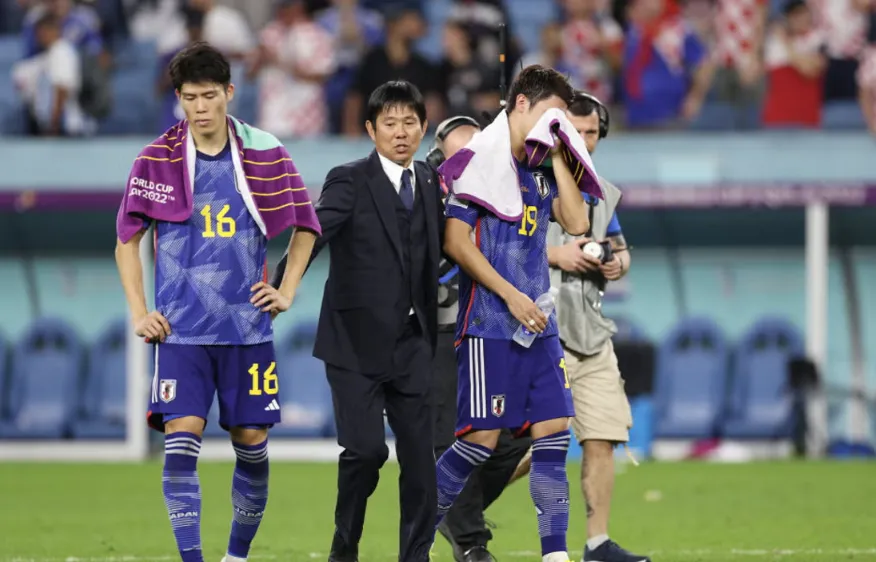
- The crushing penalty shootout loss to Croatia in 2022, while a valiant effort, highlighted the fine margins at this level.
- Overcoming this historical block will require not just skill but immense mental resilience. Moriyasu has focused heavily on psychological conditioning, bringing in sports psychologists and simulating high-pressure penalty scenarios in training. The Krikya analysis suggests that the 2026 World Cup is where this mental fortitude will be truly tested.
Conclusion: A Bold Dream Within Reach
In conclusion, while Hajime Moriyasu’s bold target of winning the FIFA World Cup remains an ambitious one, it is no longer a fantasy. The current trajectory of Japanese football is undeniable. With a tactical system that is both modern and effective, a pool of talent that is the deepest and most talented in the nation’s history, and a manager who has instilled a fearless mentality, the Samurai Blue are closer than ever. The leap from “surprise package” to “world champion” is the hardest in sports, but the foundation is now solid. Japan has moved from dreaming of participating to dreaming of conquering. How do you see this team’s journey unfolding? Share your thoughts and predictions in the comments below, and don’t forget to explore our other in-depth football analyses for the latest stories on the beautiful game.
