
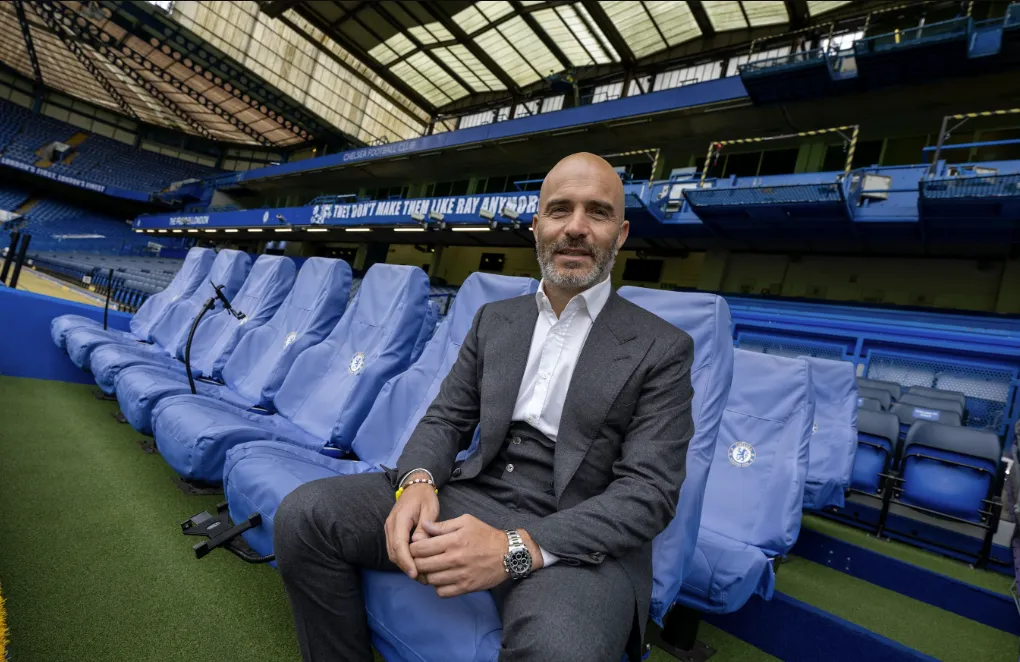
Chelsea Football Club has entered a transformative chapter under the guidance of new head coach Enzo Maresca. The Italian tactician, known for his work with Manchester City’s Elite Development Squad and a brief stint at Leicester City, has made it abundantly clear that his primary mission is not just about tactical adjustments or immediate results—it is about fundamentally reshaping the culture at Stamford Bridge. As the club navigates a period of immense transition with a bloated squad and high expectations, Maresca’s approach offers a refreshing, albeit challenging, path forward.
The Call for a Cultural Reset
From his very first press conferences, Maresca has emphasized that a “culture change” is essential for Chelsea to return to the pinnacle of English and European football. This isn’t merely about changing the training drills or formation; it’s about altering the mindset, work ethic, and collective identity of the squad. According to veteran football analyst Gareth Pemberton, “What Maresca is attempting is both ambitious and necessary. Chelsea has had a revolving door of managers and players, which has created a fractured environment. He’s trying to build a foundation of principles first, results second.”
Maresca’s philosophy is deeply rooted in the positional play principles he learned under Pep Guardiola. This requires players who are not only technically gifted but also mentally disciplined and tactically versatile. The coach reportedly wants players who “live for football,” dedicating themselves fully to the team’s system and sacrificing individual glory for the collective good. This represents a significant departure from the more pragmatic, sometimes chaotic, approaches of his recent predecessors.
Building a New Identity on the Pitch
The cultural shift Maresca is implementing can be seen in the early tactical patterns of the team. He demands total control of possession, but not for the sake of sterile ball retention. Instead, every pass is designed to manipulate the opposition’s defensive block, creating space for penetrative runs. This is a system that has worked wonders for Guardiola at City and for Maresca himself during his title-winning season with Leicester in the Championship.
- Possession with Purpose:The team is encouraged to be patient, but ruthless in the final third.
- High Defensive Line:A high-risk, high-reward system that requires immense concentration from defenders.
- Fluid Movement:Forwards and midfielders are expected to interchange positions constantly to confuse markers.
This new identity is a stark contrast to the more direct counter-attacking style that Chelsea fans have sometimes seen in recent years. As Jeremy Clarkson, a football statistician for Krikya, noted, “The data from pre-season is clear: Chelsea is attempting more passes in the final third and creating higher-quality chances, but they are also more vulnerable to quick transitions. It’s a work in progress where the culture of risk-taking must be supported by the culture of defensive responsibility.”
Challenges in the Changing Room
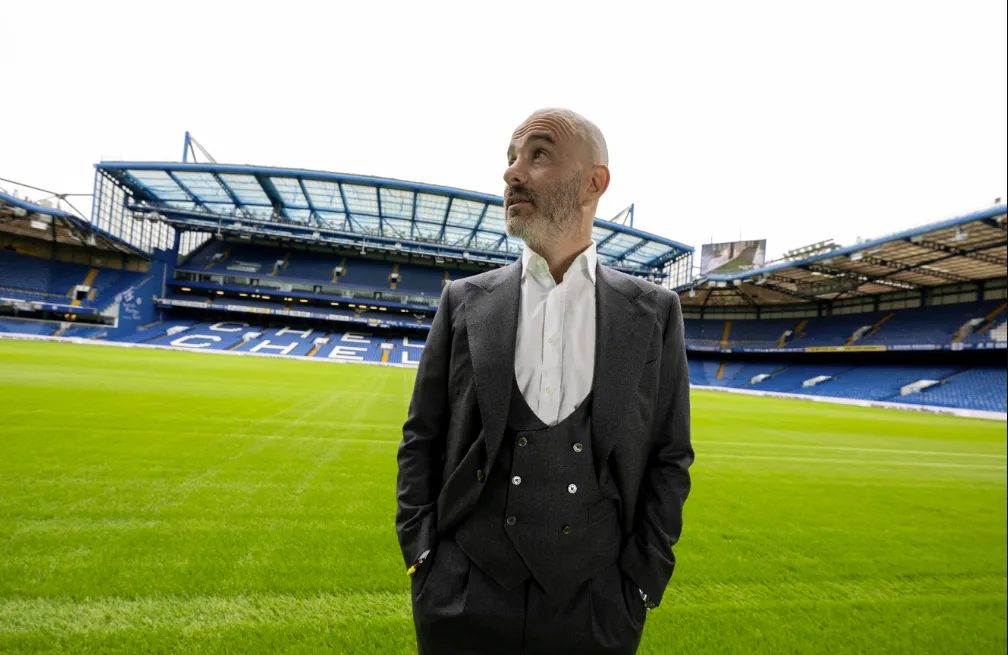
However, implementing a profound cultural change is never a smooth process, especially in a squad as large and diverse as Chelsea’s. The biggest challenge for Maresca will be managing the squad’s morale. With over 40 senior players on the books, many will inevitably be left out of the Premier League squad or sold. This creates a tense environment where players are fighting for their individual futures rather than the team’s culture.
Maresca has already shown a ruthless streak, making big decisions regarding star players who may not fit his system. The new culture demands that every player, regardless of reputation, must buy into the collective ethos. This is where the coach’s man-management skills will be tested. Creating a strong bond among the “selected few” while dealing with the displaced players is a delicate balancing act that will define his tenure.
The Strategic Vision for the Season
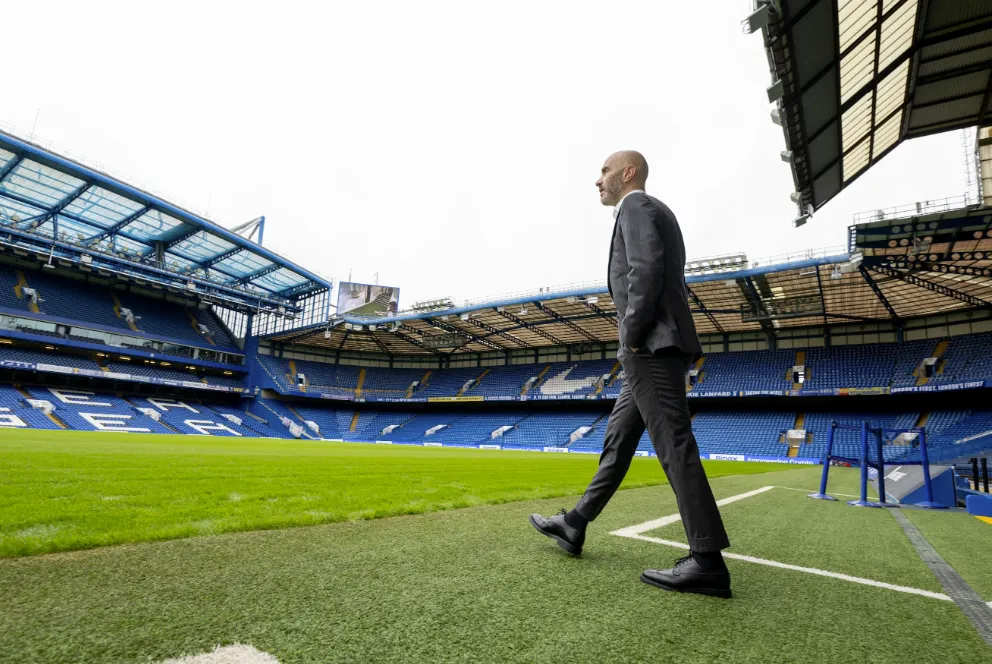
Looking ahead, the roadmap for this cultural transformation is clear but requires patience. The hierarchy at Chelsea, led by the sporting directors, appears to be fully behind Maresca’s vision, viewing him as a long-term project manager rather than a short-term fix. This is a luxury that few of his predecessors enjoyed at Stamford Bridge.
Key Milestones for the Project
- Squad Rationalization:Cleaning out players who do not fit the technical or psychological profile.
- Embedding the System:Fully instilling the positional play principles, which can take months.
- Building Leadership:Identifying on-field leaders who exemplify the new culture.
- Mentality Shift:Transforming the club from a win-at-all-costs mentality to a process-oriented one that trusts the system to deliver results over time.
For fans accustomed to the immediate demands of the Premier League, this patience will be difficult. However, experts on Krikya argue that this is the only sustainable path for the club. “If they continue with the ‘hire-and-fire’ culture, they will never build a dynasty,” stated former player turned pundit Steve McMahon. “Maresca is trying to install a DNA at the club, something that lasts beyond any single transfer window.”
Conclusion: Enzo Maresca’s Vision: A New Cultural Revolution at Stamford Bridge
Enzo Maresca’s call for a culture change at Chelsea is not just a managerial strategy; it is a declaration of a new era. It represents a move away from short-term chaos toward long-term stability and identity. While the road ahead is filled with potential pitfalls—from squad discontent to tactical teething problems—the vision is clear. Maresca wants to build a team that is not just successful, but unmistakably his. For the Chelsea faithful, this journey promises to be a fascinating and defining one. Do you think Maresca will be given the time needed to truly change the culture? Share your thoughts in the comments below, and stay tuned to our website for more in-depth analysis of Chelsea’s season.
