
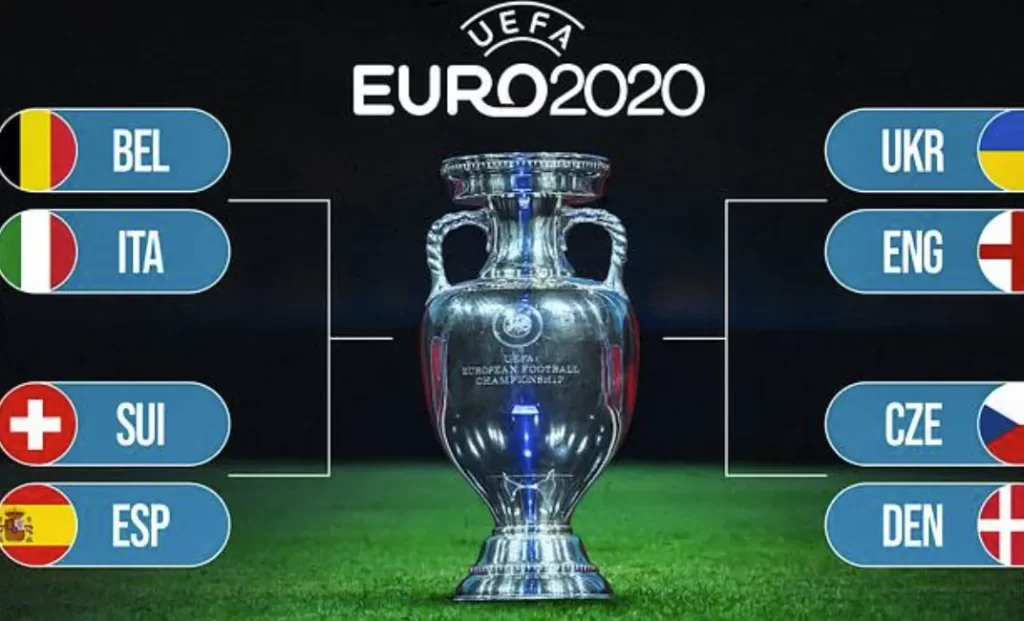
The road to Euro 2020 was anything but straightforward, especially for the teams that had to battle through the playoffs to secure their spot in the prestigious tournament. While automatic qualification had its drama, the playoff system introduced something unique—a second chance for nations that performed well in the UEFA Nations League but fell short in the traditional qualifying campaign. This article from Krikya takes you through every twist and turn of the Euro 2020 playoffs, the results, the format, and how these thrilling matches influenced the final tournament draw.
The playoffs were not just about filling the remaining slots; they were a testament to resilience, tactical brilliance, and the sheer unpredictability of international football. For fans looking for deep analysis and expert insights, Krikya brings you a comprehensive breakdown of everything you need to know.
Understanding the Playoff Format
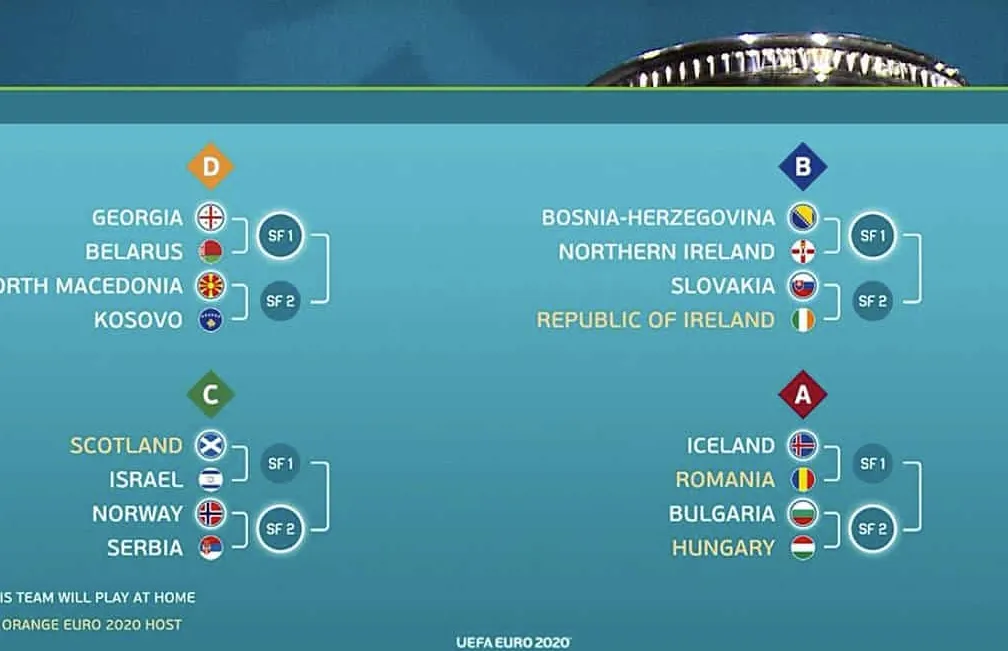
The Euro 2020 playoffs were structured around the UEFA Nations League performance, creating a safety net for nations who narrowly missed automatic qualification. Instead of using traditional rankings, UEFA divided the remaining spots into four distinct League paths: A, B, C, and D. Each path consisted of four teams, with two semifinals and a final determining the winner. The champion of each League path earned a ticket to the European Championship.
This innovative format ensured that even smaller footballing nations had a realistic pathway to the finals, rewarding consistency in the Nations League over a single qualifying campaign. For instance, League D included teams like Georgia, North Macedonia, Kosovo, and Belarus—nations that rarely get such opportunities in major tournaments.
The Teams That Took Part
The playoff lineup was decided through a combination of Nations League rankings and a draw to balance the paths. Let’s look at the participants:
- League A:Iceland (host), Bulgaria, Romania, Hungary
- League B:Bosnia and Herzegovina, Slovakia, Republic of Ireland, Northern Ireland
- League C:Scotland, Norway, Serbia, Israel
- League D:Georgia, North Macedonia, Kosovo, Belarus
A notable aspect of the draw was the decision to keep Scotland in League C while moving Bulgaria, Israel, Romania, and Hungary to League A to face Iceland. This reshuffling ensured competitive balance across the paths.
The Semifinals: Drama Unfolds
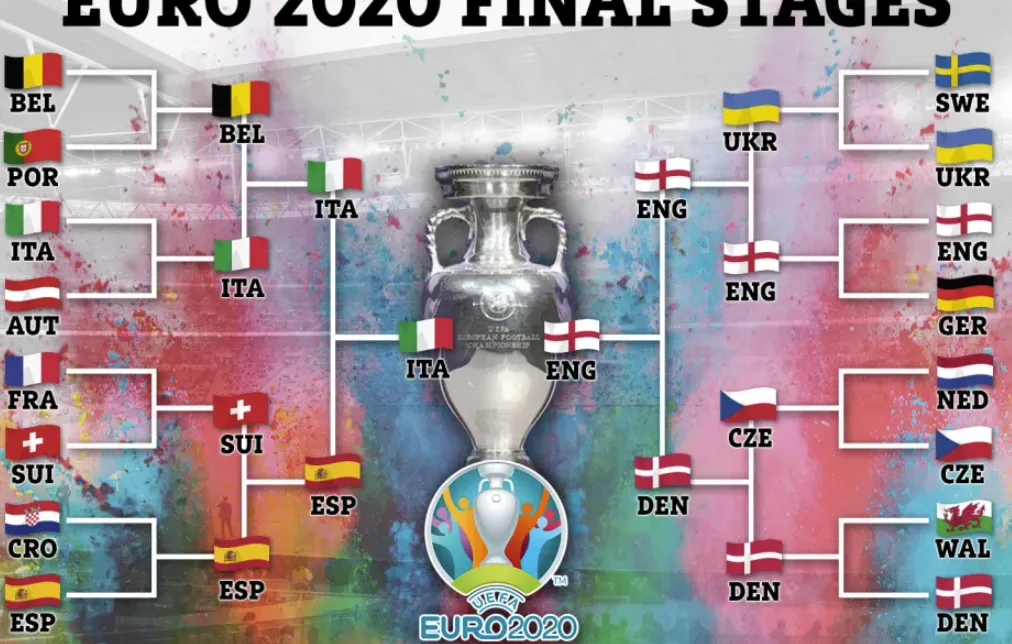
The semifinals were played on October 8, 2020, with each match carrying immense pressure. Let’s break down the key encounters.
League A Semifinals
Iceland, the smallest nation to qualify for a major tournament in recent years, faced a resilient Romania side. The match ended 2-1 in favor of Iceland, with their trademark defensive solidity and counter-attacking prowess on full display. Meanwhile, Bulgaria hosted Hungary, but the Hungarians emerged victorious with a 3-1 win, setting up a final showdown with Iceland.
League B Semifinals
Bosnia and Herzegovina faced Northern Ireland in a tightly contested match that ended 1-1 after extra time. Northern Ireland held their nerve in the penalty shootout, winning 4-3. In the other semifinal, Slovakia and the Republic of Ireland played out a goalless draw, with Slovakia advancing 4-2 on penalties.
League C Semifinals
Scotland faced Israel in a match that showcased the hosts’ resilience. After a 0-0 draw, Scotland won 5-3 on penalties, sending the Hampden Park crowd into euphoria. Norway, led by Erling Haaland, took on Serbia but suffered a heartbreaking 2-1 defeat, with Serbia’s experience proving decisive.
League D Semifinals
Georgia secured a narrow 1-0 win over Belarus, while North Macedonia defeated Kosovo 2-1. Both teams set up a final that would determine the League D representative.
The Finals: November 12, 2020
The finals were played on November 12, 2020, with each match carrying the weight of a nation’s dreams.
League A Final: Hungary 2-1 Iceland
Hungary faced Iceland in a tense final that saw the Magpies overturn an early deficit. Iceland took the lead, but Hungary’s never-say-die attitude saw them equalize and eventually score a late winner. This victory marked Hungary’s return to the European Championship after a long absence.
League B Final: Northern Ireland 1-2 Slovakia
Northern Ireland, fresh from their penalty shootout heroics, took on Slovakia. The match was evenly poised until Slovakia’s clinical finishing proved decisive. Despite a spirited performance, Northern Ireland fell 2-1, with Slovakia booking their spot in the finals.
League C Final: Serbia 1-1 Scotland (4-5 on penalties)
This final was arguably the most dramatic of them all. Serbia took an early lead, but Scotland fought back to equalize, forcing extra time and eventually penalties. Scotland held their nerve, winning 5-4 in the shootout to secure their place in Euro 2020—a moment of pure jubilation for Scottish football.
League D Final: Georgia 0-1 North Macedonia
North Macedonia made history by defeating Georgia 1-0, securing their first-ever qualification for a major tournament. This was a landmark achievement for the Balkan nation, showcasing the growth of football in the region.
How the Playoffs Affected the Finals Draw
The playoff results had a significant impact on the Euro 2020 finals draw. The four playoff winners—Hungary, Slovakia, Scotland, and North Macedonia—were placed into specific groups based on their League paths:
- Hungary (League A)joined Group F alongside Germany, France, and Portugal—a group that became known as the “Group of Death.”
- Slovakia (League B)entered Group E with Spain, Poland, and Sweden.
- Scotland (League C)found themselves in Group D with England, Croatia, and the Czech Republic.
- North Macedonia (League D)were placed in Group C with Netherlands, Ukraine, and Austria.
This draw created some fascinating storylines, particularly Scotland’s reunion with England and Hungary’s daunting challenge against three European heavyweights.
Euro 2020 Finals: Venues and Schedule
The tournament was originally scheduled for summer 2020 but was postponed to June 11–July 11, 2021, due to the COVID-19 pandemic. The finals were hosted across 11 European cities, a unique format that celebrated the continent’s footballing diversity.
Group Stage Venues:
- Group A: Stadio Olimpico (Rome) and Olympic Stadium (Baku)
- Group B: Krestovsky Stadium (Saint Petersburg) and Parken Stadium (Copenhagen)
- Group C: Johan Cruyff Arena (Amsterdam) and Arena Naționala (Bucharest)
- Group D: Wembley Stadium (London) and Hampden Park (Glasgow)
- Group E: San Mames (Bilbao) and Aviva Stadium (Dublin)
- Group F: Allianz Arena (Munich) and Ferenc Puskas Stadium (Budapest)
Knockout Stages:
- Round of 16 matches were held in London, Copenhagen, Bucharest, Amsterdam, Dublin, Bilbao, Budapest, and Glasgow.
- Quarterfinals took place in Munich, Baku, Saint Petersburg, and Rome.
- Semifinals and the final were hosted at Wembley Stadium in London.
Expert Analysis and Key Takeaways
Football analyst Mark Thompson, a veteran commentator for European football, shared his insights on the playoffs: “The playoff system added a layer of excitement that traditional qualifying lacks. It gave smaller nations a genuine pathway to the finals and produced some unforgettable moments, like Scotland’s penalty shootout victory and North Macedonia’s historic qualification.”
Thompson also highlighted the tactical nuances: “Teams like Hungary and Scotland showed incredible mental fortitude. Hungary’s ability to come from behind against Iceland was a testament to their tactical flexibility under pressure.”
For fans looking to relive these moments or understand the broader context, Krikya continues to provide in-depth coverage of European football, from qualifying dramas to tournament analysis.
Conclusion
The Euro 2020 playoffs were a thrilling chapter in football history, showcasing the resilience, passion, and unpredictability that make the sport so beloved. From Scotland’s penalty shootout heroics to North Macedonia’s historic qualification, these matches provided unforgettable moments that shaped the final tournament. The Euro 2020 qualifying playoffs not only determined the last four teams but also added depth and excitement to the competition.
We encourage you to share your thoughts on the playoffs. Which moment stood out to you? Did your nation qualify through the playoffs? Leave a comment below and join the conversation. For more expert analysis, fixtures, and exclusive content, explore the latest articles on Krikya. Your journey through the beautiful game continues here.
