
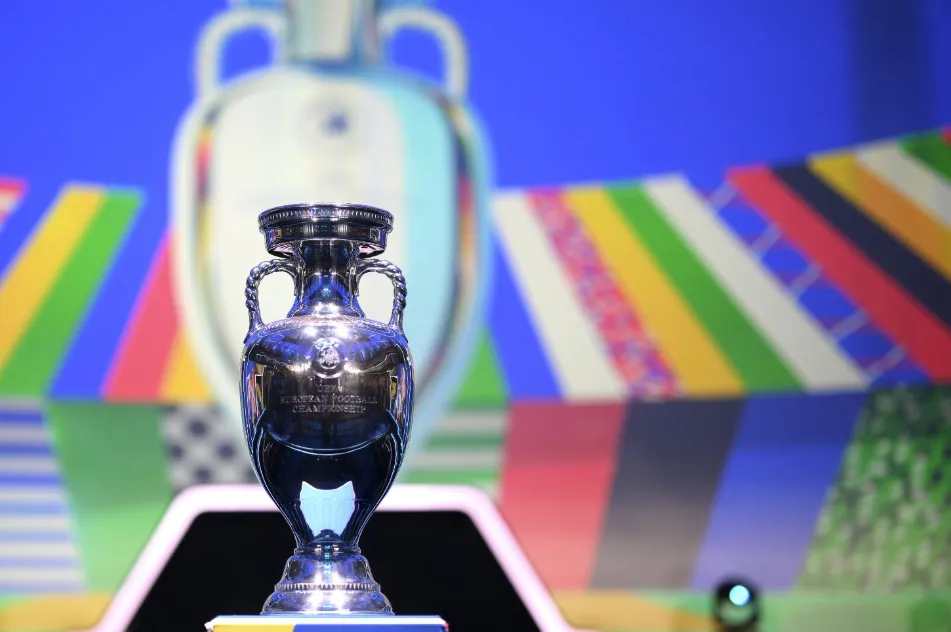
As the dust settles on another exhilarating European Championship, football fans across the continent are still processing the drama, the upsets, and the moments of pure brilliance that defined Euro 2024. From surprise packages exceeding all expectations to traditional powerhouses stumbling under the spotlight, this tournament has given us plenty to discuss. As your trusted source for in-depth football analysis, Krikya brings you a comprehensive breakdown of the most and least impressive teams, alongside some bold predictions for what comes next in the international football landscape.
The Teams That Turned Heads
Spain: The New Masters of Control
If there was one team that captured the imagination more than any other, it was undoubtedly Spain. La Roja came into the tournament with relatively modest expectations following years of transition since their golden era. However, what we witnessed was a squad that managed to blend the traditional tiki-taka philosophy with a newfound directness and verticality that made them devastatingly effective.
The emergence of young talents like Nico Williams and Lamine Yamal gave Spain a width and unpredictability that previous iterations lacked. According to veteran football analyst Carlos Mendez, who has covered every European Championship since 2004, “What Spain achieved was remarkable because they didn’t just dominate possession; they actually did something dangerous with it. The wing play was electrifying, and their defensive structure was nearly impenetrable.”
What made Spain particularly impressive was their ability to adapt during matches. When opponents tried to sit deep, they had the patience to probe. When teams pressed high, they had the technical quality to play through the pressure. This tactical flexibility is what separates good teams from champions.
Germany: The Resurgence of Die Mannschaft
Hosting a major tournament brings immense pressure, but Germany handled it with the composure of a team rediscovering its identity. After several disappointing tournaments, including a group-stage exit at the 2022 World Cup, the Germans looked reborn under their tactical approach.
Jamal Musiala emerged as potentially the tournament’s most exciting player, gliding past defenders with a combination of close control and acceleration that left opponents helpless. The midfield partnership of İlkay Gündoğan and Toni Kroos provided the perfect balance of experience and creativity, while the defensive solidity gave the team a platform to build from.
“Germany reminded everyone why they are historically one of the most dangerous tournament teams,” explains former international defender and current pundit Sarah Hoffmann. “They have this ability to grow into tournaments, and playing at home clearly brought out the best in this group of players.”
Turkey: The Dark Horses
Every major tournament needs a surprise package, and Turkey filled that role brilliantly. Few predicted that Vincenzo Montella’s side would progress as far as they did, but their passionate displays and tactical discipline won them admirers across the continent.
The Turkish team played with an intensity that rattled more fancied opponents. Their pressing game was well-organized, and in attack, they showed a willingness to take risks that paid off handsomely. What was particularly striking was their togetherness; this was a squad that clearly played for each other and for their passionate supporters who traveled in numbers to every match.
The Teams That Failed to Deliver
England: The Weight of Expectation
Perhaps no team faced greater pressure than England, and unfortunately for the Three Lions, they seemed to buckle under it. Despite possessing arguably the most talented squad in the tournament, England’s performances were consistently disjointed and uninspiring.
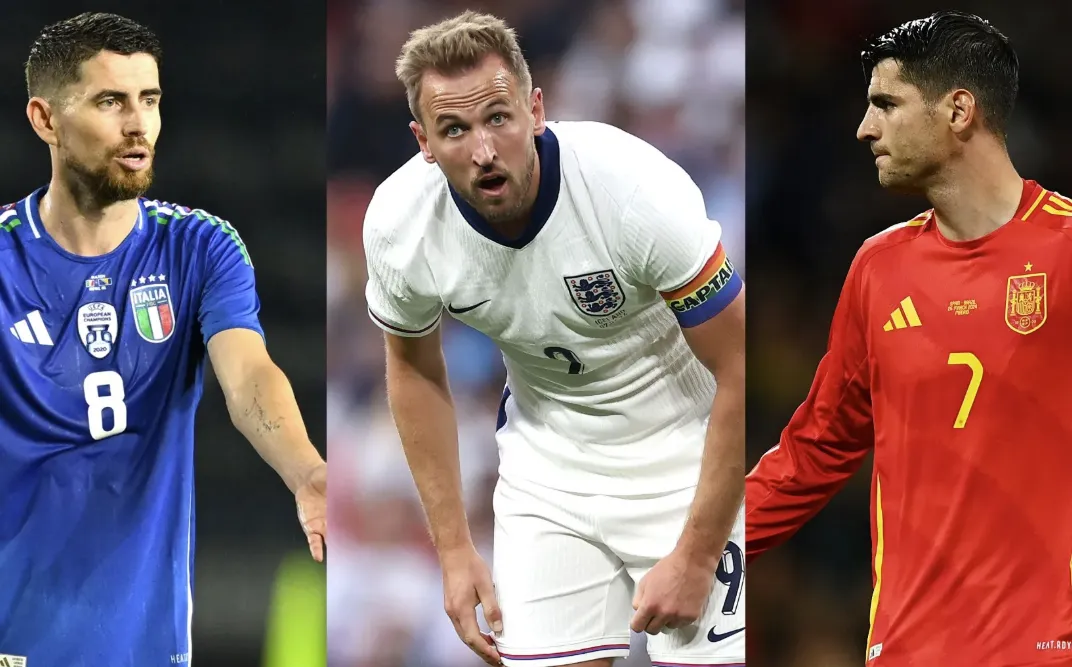
The tactical setup appeared confused, with star players struggling to find their best positions. Jude Bellingham, who had been sensational for Real Madrid, looked isolated and frustrated at times. Harry Kane, England’s all-time leading scorer, dropped deep to find the ball but often found himself with no support when he turned to face goal.
“England had all the pieces but never found the puzzle,” remarked tactical analyst Jonathan Pearce. “There was a disconnect between the midfield and attack, and the full-backs never provided the width needed to stretch opponents. For a squad with this much quality, it was deeply disappointing to watch.”
Belgium: The End of an Era
For years, Belgium’s “Golden Generation” was supposed to deliver a major trophy. Euro 2024 proved to be their final chance, and unfortunately, the script ended in familiar disappointment.
The team simply lacked the dynamism of previous years. Kevin De Bruyne fought valiantly in midfield, but around him, there were too many players past their peak or not yet ready for the biggest stage. The defensive vulnerabilities that had been papered over in previous tournaments were ruthlessly exposed.
What made Belgium’s exit particularly sad was the sense of finality about it. This generation of Belgian players—De Bruyne, Courtois, Lukaku, Vertonghen—will likely never lift a trophy together. Their legacy will be one of “what could have been” rather than what actually was.
Tactical Trends That Defined the Tournament
The Rise of the Inverted Full-Back
One of the most noticeable tactical innovations at Euro 2024 was the widespread use of inverted full-backs. Traditionally, full-backs would hug the touchline and provide width. Now, we saw them stepping into midfield to create numerical superiority in central areas.
This trend allowed teams to control games more effectively while still maintaining defensive solidity. When executed well, as Spain and Germany demonstrated, it created overloads that opponents struggled to handle. When done poorly, however, it left teams exposed to counter-attacks down the flanks.
High Pressing vs. Low Blocks
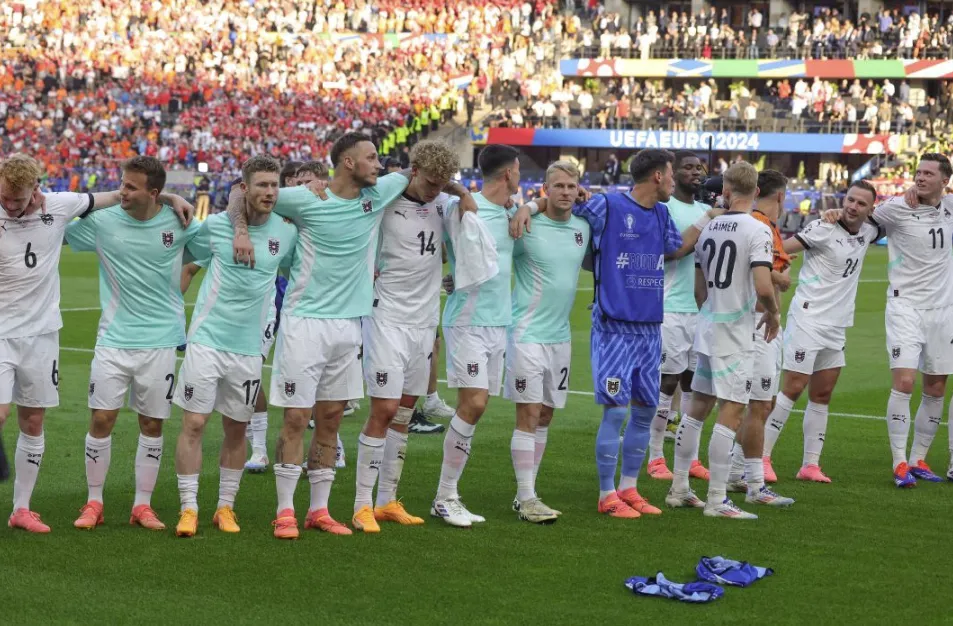
The eternal tactical battle between pressing high and sitting deep reached new levels of sophistication at this tournament. Teams like Austria showed how effective aggressive pressing can be, forcing errors from technically inferior opponents. Meanwhile, Georgia demonstrated that a well-organized low block, combined with rapid transitions, could trouble even the best teams.
The most successful teams were those that could switch between these approaches depending on the match situation. Pure adherence to one philosophy without flexibility proved to be a recipe for early elimination.
Bold Predictions for International Football’s Future
Based on the trends and performances we observed at Euro 2024, here are some predictions for the next cycle of international football:
Spain is building another dynasty – The blend of youth and experience in the current squad suggests they will be contenders for years to come. With players like Pedri, Gavi, Yamal, and Williams all under 23, this team has the potential to dominate.
Smaller nations will continue to close the gap – The performances of teams like Georgia, Albania, and Slovakia showed that the gap between traditional powers and emerging nations is narrowing. Better coaching and tactical preparation are leveling the playing field.
The 2026 World Cup will see a tactical revolution – With more time to prepare and analyze, expect to see even more sophisticated approaches in North America. The inverted full-back trend will evolve, and new pressing patterns will emerge.
Germany is back as a genuine force – Their tournament performance, combined with their home advantage in Euro 2024, has reignited belief in German football. With young talents emerging and strong Bundesliga infrastructure, Die Mannschaft will be feared again.
What This Means for Football Betting
For those who enjoy analyzing football and making informed predictions, tournaments like Euro 2024 provide valuable data. The key is looking beyond the big names and understanding the tactical nuances, squad depth, and team dynamics that truly determine success.
At Krikya, we believe that knowledge is power when it comes to understanding the beautiful game. By studying these trends and performances, fans can gain a deeper appreciation for the sport and make more informed assessments about how future tournaments might unfold.
Final Thoughts
Euro 2024 will be remembered as a tournament where tactical innovation met raw passion, where young stars announced themselves on the biggest stage, and where traditional powers were reminded that past glories guarantee nothing. Spain’s triumph was built on a clear philosophy executed brilliantly, but the stories of this tournament were many.
From Turkey’s passionate displays to Germany’s resurgence, from England’s struggles under pressure to Belgium’s poignant farewell, this European Championship provided drama, quality, and talking points that will resonate for years to come.
What were your favorite moments from the tournament? Do you agree with our assessment of the most and least impressive teams? We’d love to hear your thoughts in the comments below. Share this article with fellow football enthusiasts and continue the discussion about what made Euro 2024 so special. For more in-depth analysis and coverage of international football, keep following Krikya for content that goes beyond the headlines.
