
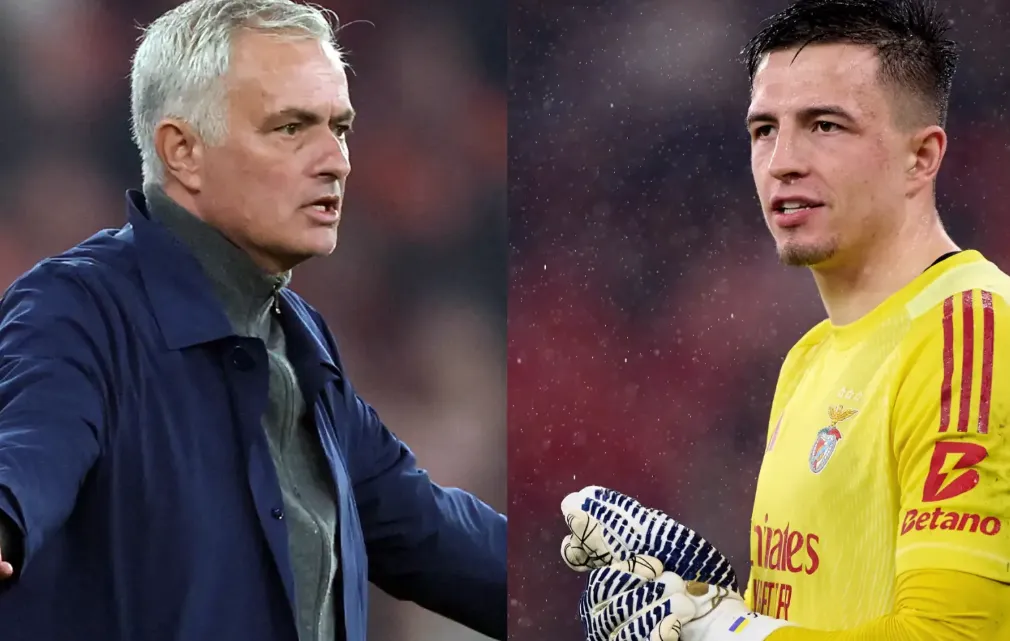
The football world has long observed a peculiar pattern at Real Madrid. The club that prides itself on being the most prestigious in the sport has a reputation for being one of the toughest environments for managers. When José Mourinho arrived at the Santiago Bernabéu in 2010, he was already a proven winner with Porto, Chelsea, and Inter Milan. Yet, even “The Special One” found himself worn down by the intense pressure, internal politics, and relentless expectations that define the club. Now, as Krikya reports, recent developments suggest that the same destructive cycle may be repeating itself, this time targeting a promising young coach from Benfica.
The Mourinho Era: A Lesson in Pressure
José Mourinho’s tenure at Real Madrid remains one of the most fascinating and turbulent periods in modern football history. When he took over, he was tasked with dismantling the Barcelona dominance of Pep Guardiola. In his first season, he won the Copa del Rey and broke Barcelona’s stranglehold. In 2011-12, he delivered La Liga with a record 100 points, scoring 121 goals in the process. However, the cracks were already showing.
The Weight of Expectations
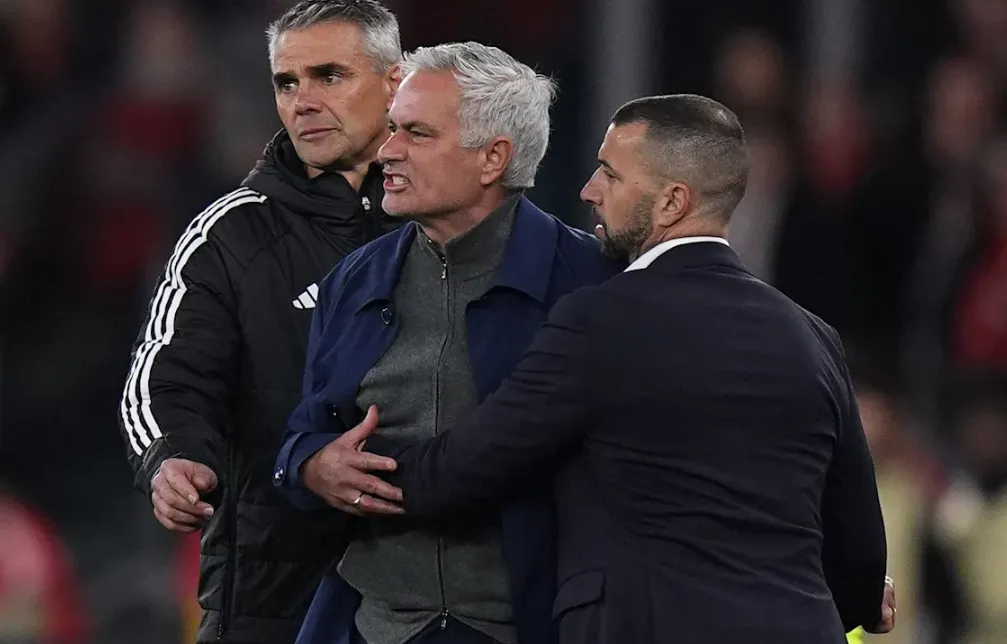
Mourinho’s third season at Madrid became infamous for its toxicity. The internal conflicts with senior players like Sergio Ramos, Iker Casillas, and Cristiano Ronaldo became public spectacles. The Portuguese manager’s defensive tactics, which had brought success, were criticized for being antithetical to Real Madrid’s attacking DNA. The pressure from the media, the board, and the fanbase created an environment where Mourinho felt isolated and betrayed.
According to football analyst Mark Thompson, a commentator with over 20 years of experience covering European football, “Mourinho’s experience at Real Madrid was a masterclass in how institutional pressure can break even the most resilient coach. The club’s culture doesn’t just demand victories; it demands a specific style and personality. When Mourinho’s pragmatic approach clashed with that identity, the relationship became unsustainable.”
The Legacy of Division
Mourinho left in 2013, visibly exhausted and bitter. He later described the experience as the most difficult of his career, a sentiment echoed by many who witnessed his transformation from a confident leader to a defensive, paranoid figure. The scars from that period arguably affected his subsequent managerial stints at Chelsea and Manchester United.
The New Victim: Benfica’s Rising Star
Now, history appears to be repeating itself with a different coach, this time from Benfica. The Portuguese club has long been a breeding ground for managerial talent, and their current young tactician has been turning heads across Europe. Having led Benfica to domestic success and impressive Champions League performances, his reputation soared. However, Krikya sources indicate that the allure of Real Madrid has proven too strong, and the move has already begun to take its toll.
A Pattern of Psychological Strain
The issue is not merely tactical. What happened to Mourinho and what is now happening to this Benfica coach reveals a deeper, systemic problem at Real Madrid. The club operates with a unique combination of pressures:
The Historical Burden: Real Madrid is not just a club; it’s an institution built on the mythology of the Galácticos. Every manager inherits a legacy of European Cup triumphs and the expectation to play beautiful, attacking football. This creates an impossible standard that few can meet.
Internal Power Struggles: The dressing room at Real Madrid is a complex ecosystem of powerful personalities. Players often have direct access to the president and the media, which can undermine a coach’s authority. When results dip, factions form, and loyalty becomes scarce.
Media Scrutiny: The Madrid-based sports press, including outlets like Marca and AS, operates 24/7. Every tactical decision, substitution, and press conference statement is dissected. For a young coach accustomed to the relatively calmer environment of the Portuguese league, this transition can be overwhelming.
Comparing the Two Cases
Dr. Sarah Jenkins, a sports psychologist who has worked with elite coaches, explains: “The fundamental issue is the loss of control. Mourinho, for all his bravado, lost control of the narrative and the dressing room at Madrid. We’re seeing similar signs with this new coach from Benfica. He was previously in an environment where he was the undisputed authority. At Madrid, he has to share that authority with the club’s history, the media, and the star players. It’s a recipe for burnout.”
The parallels are striking. Both coaches arrived with glowing reputations and tactical innovations. Both struggled to impose their full vision due to the club’s demanding ecosystem. Both found their personal lives and mental well-being affected by the constant pressure.
The Structural Problem at the Bernabéu
It’s tempting to blame individual managers for their failures at Real Madrid, but the evidence suggests a recurring structural problem. Since Mourinho’s departure, the club has cycled through managers like Carlo Ancelotti, Rafael Benítez, Zinedine Zidane, Julen Lopetegui, and Santiago Solari. While Ancelotti and Zidane found success, their tenures were often marked by periods of intense strain and eventual resignation rather than dismissal.
Why Some Succeed and Others Fail
What separates the successful managers from those who break at Real Madrid? Krikya analysis suggests it comes down to personality and adaptability. Ancelotti succeeded because of his calm demeanor and ability to manage egos without confrontation. Zidane succeeded because he was a club legend who commanded instant respect from players and fans alike.
For the Benfica coach, who lacks the playing history or the established relationships within the club, the path is significantly harder. He must prove himself not just tactically but also as a leader in an environment that has devoured more experienced figures.
The Emotional Toll
The human cost of this cycle is often overlooked. Mourinho has spoken candidly about how his time at Madrid affected him psychologically. The Benfica coach, now facing similar storms, is reportedly showing signs of the same strain. Insiders describe a man who has become more withdrawn, more defensive in press conferences, and more prone to tactical conservatism—a direct mirror of Mourinho’s late-stage behavior at the club.
Lessons for the Future
If Real Madrid continues this pattern, the consequences extend beyond individual careers. The club risks developing a reputation as a graveyard for coaching ambition. Young, talented tacticians may think twice before accepting the call from the Bernabéu.
What Needs to Change?
For the club to break this cycle, several cultural shifts would be necessary:
- Realistic Expectations:The board and fanbase must accept that dominance cannot be continuous, especially in an era of financial constraints and increased competition.
- Protecting the Coach:The club’s leadership must actively shield the manager from internal politics and media pressure during difficult periods.
- Long-Term Vision:Instead of demanding immediate results, the club needs to invest in a long-term project that allows a coach to implement their philosophy fully.
The Emotional Connection
For fans, the plight of these coaches offers a reminder of the human element in football. We cheer for the goals and celebrate the trophies, but behind the scenes, individuals are struggling with immense pressure. Mourinho’s breakdown at Madrid and the current struggles of the Benfica coach are not just stories of tactical failure; they are stories of people pushed to their limits by an unforgiving system.
As one anonymous former Real Madrid staff member told Krikya: “The club doesn’t break you because it’s mean. It breaks you because it demands everything you have, and then it asks for more. Only the truly special ones can survive that.”
A New Chapter or a Familiar Ending?
The saga of the Benfica coach at Real Madrid is still unfolding. There is still time for a different outcome. Perhaps this young tactician will prove more resilient than his predecessors. Perhaps he will learn from Mourinho’s mistakes and carve his own path. Or perhaps, as the evidence suggests, he will become the latest casualty in Real Madrid’s pattern of breaking coaches.
Krikya will continue to monitor this developing story closely. What is clear is that the club’s DNA has not changed. The pressures that destroyed Mourinho’s spirit remain as potent as ever. Only time will tell if this new manager can break the curse or if he will simply become another name on the long list of those who tried and failed at the most demanding club in world football.
Do you believe Real Madrid can change its ways and provide a sustainable environment for its coaches, or is the cycle destined to continue? Share your thoughts in the comments below, and don’t forget to share this article with fellow football enthusiasts. For more in-depth analysis of European football’s biggest stories, stay tuned to Krikya.
